




Trading
How to Set a Stop-Loss Order: A Beginner’s Guide to Limiting Trading Losses
October 05, 2026
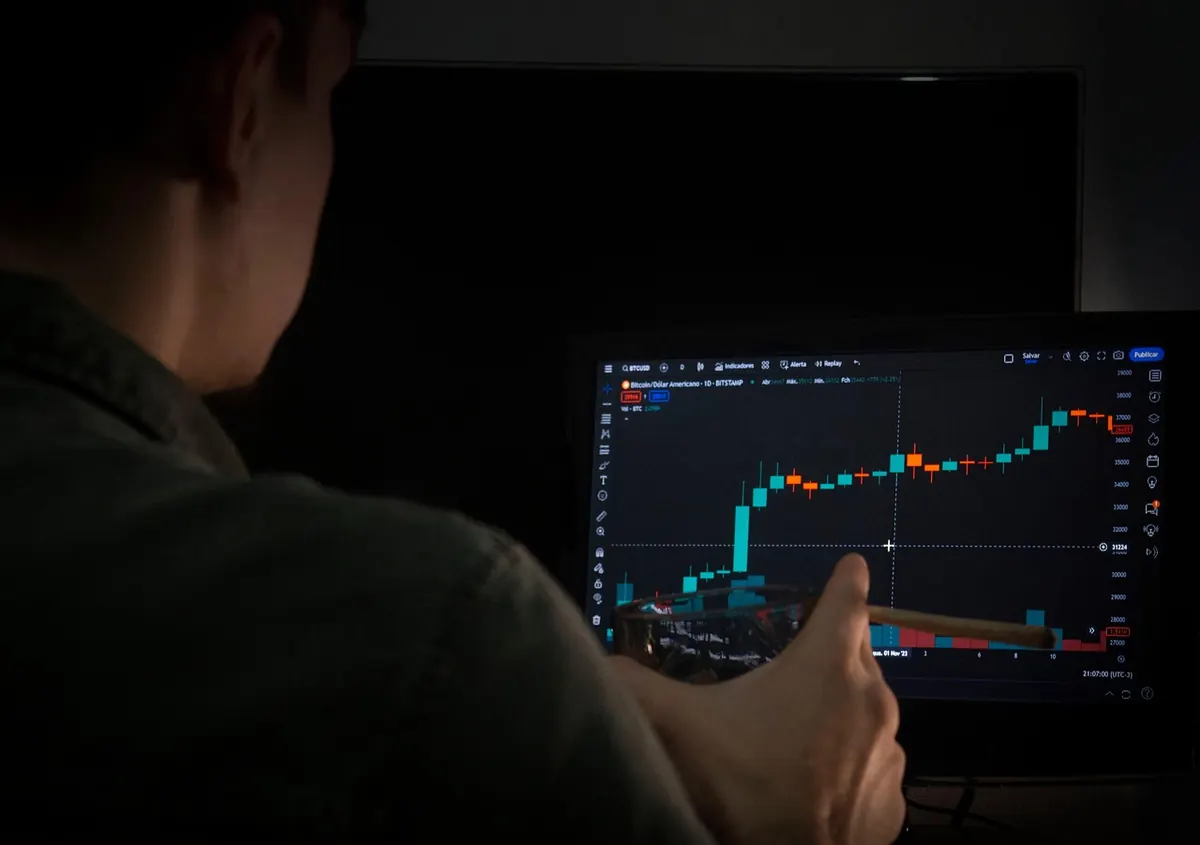
Every trader has a version of this story. The trade looked good at entry, drifted sideways, then started to slip. What began as a small paper loss turned into the kind of position you stop checking because looking at it feels bad. A week later, one trade has undone a month of careful work. The stop-loss is the tool that prevents that plot twist, and it costs nothing to use. It just has to be placed before the position is opened, not after the damage is done.
This guide covers the practical side: where to put the stop, which order type to use, and how to size the trade so the stop protects your account rather than just decorating your screen.
A stop-loss is a decision made in advance
A stop-loss is a resting order that sits with your broker and activates when the price reaches a level you chose earlier. For a long position, the stop sits below the entry; for a short, above it. Most of the time the trigger converts into a market order and you are filled near that level, though not always exactly at it.
It does two jobs. The obvious one is capping the loss on a single trade. The less obvious one is removing the moment of judgment: when price is falling fast, you are not evaluating anything clearly, and a stop you set when you were calm is a better decision-maker than you are at that moment. If your plan is to "watch it and decide," you don't have a risk plan. You have hope with a chart attached.
Start from the chart, not from your bank balance
The most common beginner error is choosing a stop based on what feels affordable. Say you are willing to lose €200, so you place the stop €200 below entry. The market does not know or care about that number. If the technical level that would prove you wrong sits further away, your stop will be hit by ordinary noise while the trade idea is still intact.
Work in the opposite order. Find the level where your reason for being in the trade disappears. Buying a pullback in an uptrend? The idea breaks if price closes below the swing low that started the bounce. Buying a breakout? It breaks if price falls back inside the old range. Put the stop just beyond that level, where it won't be clipped by a routine wick.
Give the price room to breathe
Volatility matters as much as structure. A stop 1% away from entry is generous on a slow-moving large-cap index fund and absurdly tight on a small-cap that swings 4% in an average session. Beginners often use the same fixed distance on every trade and then wonder why some positions keep stopping out. If you want a rough calibration tool, look at the average daily range (or ATR, if your platform shows it) over the last couple of weeks. A stop placed inside that average range is a stop that normal noise can reach without any trend change at all.
The order types, and when each one helps
Brokers offer more than one way to automate an exit, and the differences matter when the market gets messy.
- Stop order (stop-loss). The default. Once triggered, it becomes a market order and fills at the best available price. You are out, but the exact exit price is not guaranteed.
- Stop-limit order. Once triggered, it becomes a limit order at a price you set. This caps how bad the fill can be, but it can also leave you holding the position if the market gaps straight through your limit. Good for illiquid instruments where you want a floor on slippage; dangerous when you need certainty of exit.
- Trailing stop. The stop follows the price as it moves in your favour and stays put when it retraces, by a fixed amount or percentage. Useful for letting a winner run, but it works better in trending markets than choppy ones, where it can tighten into the noise and cut a good trade early.
- Time-based exit. Not an order type, but a useful rule: if the trade hasn't done anything in a set number of sessions, close it. Dead trades tie up capital and attention.
One honest limitation to understand: stops are not guarantees. If a stock gaps down overnight on bad news, you can be filled well below your level. Illiquid markets and wide spreads cause the same problem. That is not a reason to skip the stop. It is a reason to size positions as though the worst fill is possible.
Position sizing does most of the work
Most traders spend their energy on entries and barely think about size. Flip that around. The distance to your stop and the size of your position together decide what a loss actually costs, and that number is entirely under your control.
The arithmetic is simple:
Position size = amount you're willing to risk ÷ distance from entry to stop (per share or unit)
Suppose your account is €10,000 and you've decided a single trade should never cost more than 1%, or €100. You buy at €25 with the stop at €23, so the risk is €2 per share. €100 ÷ €2 = 50 shares, a position of about €1,250. Note what happened: the stop level came from the chart, and the size adjusted to fit the risk budget. The level didn't move to make the maths work.
Run that check before every entry and you'll notice something useful. When the chart demands a wide stop, the position gets small; when the setup allows a tight stop near a clear level, you can take a larger position for the same risk. Scaling in and out is optional complexity. Consistent sizing is not.
Mistakes that quietly cost money
- Moving the stop further away. The moment you widen a stop to avoid being taken out, it has stopped being a stop. Accept the loss or don't take the trade.
- Placing the stop at the obvious round number. Levels like €50 or €100 attract orders. Sitting a few cents beyond the crowd's level often means the difference between being clipped and being left alone.
- Forgetting the spread and commissions. On short-term trades these costs eat into the distance between entry and stop. Factor them in when you calculate risk per unit.
- Setting the stop and never checking it. Mergers, splits and big news can invalidate the level your stop was based on. Review open positions, not just new ones.
- Using a stop as a substitute for a thesis. A stop limits damage; it doesn't tell you whether the trade was worth taking.
A five-minute routine before you click buy
Before any position goes on, run through this. It takes less time than reading the news headlines that talk you into the trade.
- Mark the price level that would prove your trade idea wrong.
- Place your stop just beyond it, outside the recent noise.
- Check the average daily range to confirm the stop isn't too tight.
- Calculate size from your maximum acceptable loss, not from available cash.
- Choose the order type: plain stop by default, stop-limit only if you accept the risk of no fill.
- Write down the entry, stop, size and reason, so you can review the trade honestly later.
Do this consistently and losses become a budget line rather than a surprise. You will still have losing trades — everyone does — but they will be small, planned, and survivable, which is exactly what keeps you in the market long enough to get better at it.
This is general educational material, not personal financial advice. Trading involves risk of loss, and your circumstances may call for a different approach; consider speaking with a licensed financial adviser before acting on any of it.
Photo: PriismaDesign / Pixabay
Related posts
More stories you’ll love reading